As an Amazon Associate we earn from qualifying purchases.
Introduction
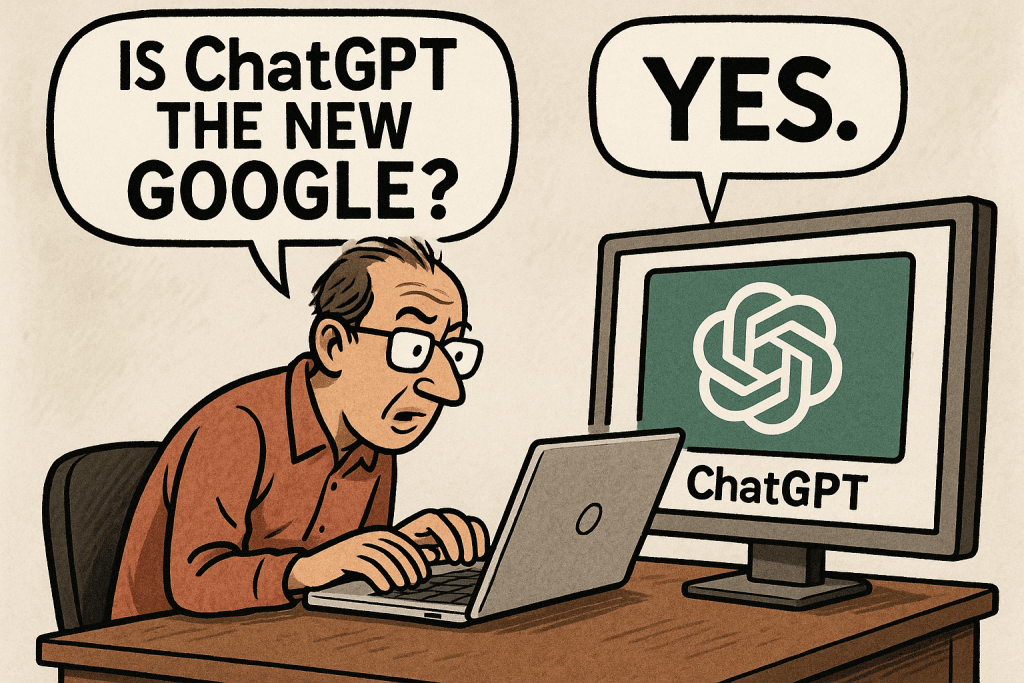
The rise of conversational AI has introduced new ways for people to interact with information online. With the integration of ChatGPT into major platforms and operating systems, including browsers like Safari, users are now able to set ChatGPT as their default search engine. This development represents a shift from traditional keyword-based search to an AI-driven question-and-answer model. While this can provide faster, more personalized responses, it also has important implications for the open web and the ecosystem of content creators who rely on search engine visibility.
Configuring ChatGPT as the Default Search Engine on Safari
Safari, the default browser for Apple devices, allows users to choose their preferred search engine. Traditionally, this list has included well-known search providers such as Google, Bing, and DuckDuckGo. With recent updates, Safari can also be configured to direct search queries to ChatGPT.
To set up ChatGPT as the default search engine, users typically need to follow these steps:
- Access Safari Preferences: Open the Safari browser and navigate to the settings menu.
- Select Search Preferences: Choose the search tab, where different search engine options are listed.
- Add ChatGPT as a Custom Search Engine: This can be done by entering a custom URL that directs search queries to ChatGPT’s web interface or through a browser extension provided by OpenAI or third-party developers.
- Set ChatGPT as Default: Once configured, all searches entered in Safari’s address bar are sent to ChatGPT for processing instead of a traditional search engine.
This configuration effectively transforms Safari into a gateway for AI-generated answers, bypassing the need to visit multiple websites or manually sort through search results.
Impact on User Experience
When ChatGPT becomes the default search engine, users experience a fundamental change in how they access information. Instead of receiving a list of links, they receive a synthesized, conversational response. This has several benefits and challenges:
- Faster Answers: Users get immediate, direct responses without needing to sift through multiple pages.
- Reduced Cognitive Load: The AI interprets complex questions and provides context-aware answers.
- Limited Transparency: Unlike traditional search results, which allow users to evaluate different sources, ChatGPT provides a single, unified answer that may obscure the origins of the information.
This shift makes browsing feel more like having a conversation than conducting research, which appeals to many casual users but raises concerns for those who value source diversity and transparency.
Implications for the Open Web
The open web depends on users visiting a variety of sites, reading content, and engaging with diverse creators. Search engines have traditionally acted as navigational tools that help users discover and access this content. With ChatGPT acting as the intermediary, the dynamic changes in several ways:
- Reduced Web Traffic: If users rely solely on ChatGPT for answers, they may never click through to original websites. This could reduce traffic to news outlets, blogs, educational resources, and independent publishers.
- Shift in Search Economics: Many websites are funded through advertising revenue, which depends on page visits. A decline in direct visits can disrupt this model, leading to fewer resources for independent creators.
- Centralization of Information: The AI model becomes the primary filter for what information users see. While this can streamline discovery, it risks narrowing the diversity of voices and perspectives available online.
- Potential Bias and Gaps: ChatGPT’s responses are shaped by its training data and algorithms. Without direct access to multiple sources, users may not be aware of alternative viewpoints or missing context.
In essence, using ChatGPT as a default search engine transforms the web from a network of interconnected pages to a single-point interface controlled by one provider.
Effects on Content Creators
For content creators, this transition has significant consequences. Historically, creators optimized their content for search engines using Search Engine Optimization (SEO) techniques. This ensured that their work could be discovered by audiences through organic search. With ChatGPT acting as the intermediary, this model becomes more complex.
- Reduced Direct Engagement: When ChatGPT provides summarized answers, users may never visit the original site to read the full article or engage with other content.
- Loss of Attribution: Even when ChatGPT is trained on a wide variety of data, it may not always credit the original source, leading to frustration among creators who rely on visibility.
- Changes in Content Strategy: Creators may need to rethink how they produce content, focusing more on unique insights and niche topics that AI cannot easily replicate.
- Opportunities for AI Integration: Some creators might adapt by using AI tools to enhance their own content or by collaborating with AI platforms to ensure their work is accurately represented.
This shift resembles the disruption seen when search engines first emerged, but on a larger scale, as AI assumes a more active role in shaping the flow of information.
Motivations for Website Creation Amid Dramatically Reduced Traffic
As AI-driven search engines like ChatGPT increasingly serve as intermediaries, dramatically reducing direct traffic to websites, the motivations for individuals and organizations to create and maintain sites that rely on advertising and affiliate revenue are shifting. While reduced visibility poses challenges, certain strategic motivations remain strong and new opportunities are emerging.
- Long-Term Brand Positioning: Even with lower traffic, maintaining a website remains important for building long-term brand identity. A well-structured, authoritative site can serve as a trusted reference point that AI systems are more likely to draw from, ensuring that a brand continues to influence conversations and recommendations.
- High-Value Niche Content: As general information becomes dominated by AI summaries, niche or specialized content gains value. Websites that focus on unique expertise or rare subject matter can attract a smaller but more dedicated audience, while also serving as vital data sources for AI systems that need accurate, detailed information.
- Affiliate Marketing in a Changed Landscape: While overall visitor numbers may decline, the quality of visitors can improve. Users who do click through from AI-generated summaries are likely to be highly motivated, leading to potentially higher conversion rates for affiliate sales. This shifts the focus from quantity of traffic to quality and intent of user engagement.
- Monetizing AI Relationships Directly: Organizations may seek direct relationships with AI providers, licensing their content so it can be used within AI platforms while generating a new revenue stream. This transforms websites from solely audience-facing assets to part of the AI content supply chain.
- Maintaining Community Spaces: AI can deliver information, but it cannot replicate social interaction and community engagement. Forums, discussion boards, and interactive experiences remain a key reason for users to visit websites directly, even when AI handles most informational queries.
- Supporting Business Ecosystems: For businesses with physical products, services, or events, websites continue to act as transaction hubs. Even with less traffic, they remain necessary for direct sales, subscriptions, and customer interactions that AI cannot handle autonomously.
The role of websites is moving away from being the first stop for information and becoming part of a broader network of interconnected services. While the traditional traffic-driven revenue model is under pressure, creators who adapt by emphasizing quality, specialization, and new business models can still thrive.
Summary
Setting ChatGPT as the default search engine on Safari marks a significant evolution in how people interact with information online. While it offers a more streamlined and conversational search experience, it also poses challenges to the open web and the sustainability of content creation. In an environment where traffic to websites is reduced, creators and organizations must rethink their strategies, focusing on niche expertise, community engagement, and direct relationships with AI platforms. By adapting to these changes, they can maintain relevance and continue to generate revenue, even as the structure of the web evolves.
Today’s 10 Most Popular Books About ChatGPT
[amazon bestseller=”ChatGPT books” items=”10″]