NOAA identifies several ways that activity on the Sun can disrupt communications, from radio blackouts to disturbances affecting satellite signals. A solar storm is not a single event with one uniform consequence. The type of solar activity, the systems involved, and the location of the user determine which communications may be affected.
That distinction matters because everyday communication combines several technologies. A shortwave radio link, a satellite broadband connection, a mobile network, and a fiber cable do not respond identically to space weather. A problem in one part of that system can have consequences elsewhere, but an alert about solar activity does not mean that every telephone and internet connection will stop working.
Solar flares release electromagnetic radiation. When that radiation reaches Earth, it can alter the upper atmosphere, including a region called the ionosphere where gases contain charged particles. High-frequency radio communications depend on interactions with this region. NOAA’s explanation of solar flare radio blackouts describes how increased absorption can disrupt those links on the sunlit side of Earth.
High-frequency radio is used in settings where communicating over long distances is useful, including aviation and maritime operations. A disturbance can affect the suitability of a particular frequency or path. The operational consequence depends on available alternatives and the communications procedure in use. Describing a radio blackout precisely is more useful than treating it as a blackout of all electronic communication.
Other solar events involve material traveling outward from the Sun. A coronal mass ejection is an eruption of plasma and magnetic field. If its conditions and direction are suitable, it can disturb Earth’s magnetic environment. The resulting geomagnetic storm has different timing and mechanisms from the immediate arrival of flare radiation. Not every eruption is directed toward Earth, and not every Earth-directed event produces the same effects.
NOAA’s space weather overview explains why forecasters monitor the Sun and the environment between the Sun and Earth. Observations can help identify conditions associated with disruption. Forecasting is still an assessment of developing physical conditions, rather than a guarantee that a particular communications service will fail. Operators must connect the forecast with the vulnerabilities of their own equipment.
Satellite signals can be affected as they pass through an irregular ionosphere. Rapid fluctuations in a signal’s strength or phase are called scintillation. A receiving system may have difficulty maintaining a usable connection under suitable conditions. NOAA’s discussion of satellite communications impacts distinguishes this propagation problem from effects occurring within the spacecraft itself.
A signal disturbance does not necessarily imply that the satellite has been damaged. The spacecraft may continue operating even if a particular receiving location experiences poor reception. That difference affects the response: changing operations on the ground can be relevant to a propagation problem, but would not repair damaged spacecraft electronics. Accurate diagnosis helps avoid assigning every communications interruption to the same cause.
Radiation also presents risks to equipment in space. Energetic particles can disturb electronic components, and electrical charging can create additional problems. Spacecraft designers account for their expected environment through equipment selection and protective measures. Operators may adjust activities when conditions warrant it. These measures reduce exposure or help manage effects, but should not be described as making all satellites immune to space weather.
Geomagnetic activity can also change the upper atmosphere in ways that increase drag on satellites in low Earth orbit. NOAA’s satellite drag explanation describes this separate effect. More drag can alter an orbit and increase the work required to maintain it. This is an operational concern distinct from a radio signal being absorbed or fluctuating along its path.
Power infrastructure creates another possible connection to communications. Geomagnetic disturbances can produce unwanted currents in long conducting systems. A communications facility needs electricity even when its data travels through fiber or satellite links. If its power supply is disrupted, the communications effect can be indirect. Backup power and network redundancy address that dependency, rather than changing the behavior of the Sun.
The geographic pattern also differs by mechanism. A flare-related high-frequency radio problem concerns the illuminated side of Earth. Other effects depend on magnetic conditions, atmospheric structure, and spacecraft orbit. A global space weather event can produce uneven consequences among users. Reports need to identify the affected system and region before extending a local problem into a worldwide claim.
New Space Economy’s explanation of solar storms and solar wind provides background on the differences between the Sun’s continuing outflow and eruptive events. That vocabulary helps readers interpret alerts without treating every mention of solar activity as the same hazard. Historical explanations can support understanding of the physics, but current conditions require current monitoring.
For communications operators, preparation means understanding which functions depend on vulnerable paths or equipment. A service may have alternative frequencies, another ground station, spare capacity, or backup power. Those measures have different strengths and limitations. A backup that shares the same vulnerable power supply or atmospheric path may provide less independence than its name suggests.
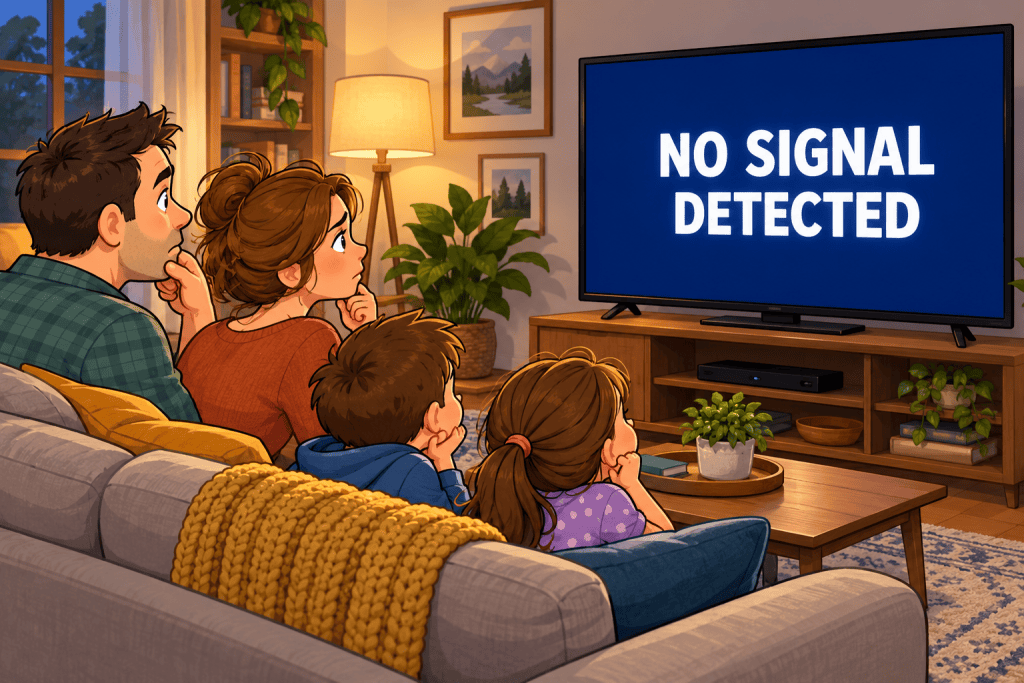
For the public, a useful assessment identifies what happened, which service was affected, and how long the problem lasted. Solar activity can coincide with ordinary equipment failures, weather damage, or network maintenance. Timing alone does not establish cause. Attribution requires evidence from the affected system and the relevant space weather observations, rather than an assumption based on a dramatic solar image.
Maintaining alternatives involves cost as well as engineering. Operators have to decide which communications functions need protection and how much interruption they can tolerate. That assessment can support different preparations for a routine commercial service and an operation where a missed message has immediate consequences.
A solar storm can interrupt communications on Earth, but the effect is specific to the physical mechanism and the system exposed to it. Understanding those connections supports preparation without overstating the threat. The practical task is to protect vulnerable equipment, maintain useful alternatives, and interpret alerts in relation to the communication service that people actually depend on.